
Nathan Bryce (he/him)
Director of TA Training and Core Trainer
Transactional Analysis training in counselling and psychotherapy, from your first TA101 to professional registration. Taught with rigour and care, with relationship at the centre.
Our training routes lead towards
People change through relationship. So that's how we teach.
Two principles shape everything we do, from the size of our groups to the way we give feedback.
The relationship between client and therapist is where change happens. Our training is built the same way: small groups, consistent trainers, and a learning community where you're known by name.
You can only take a client as far as you've been willing to go yourself. Alongside theory and skills, the training invites you to look at your own patterns, and supports you as they shift.
Our programmes follow the internationally recognised TA curriculum and are taught by experienced practitioners who care about how you learn as much as what you learn.
Start with TA101 and go as far as you choose. Each stage builds on the last, and each has a clear exit point, so your qualification always reflects the work you've done.
Completing a course makes you eligible to apply. Membership and registration remain subject to each professional body's own processes and discretion.
TA is a theory of personality and a way of doing psychotherapy, first developed by Eric Berne in the 1950s.
It gives therapist and client a clear, shared language for how people think, feel and relate to one another, and for how patterns formed early in life can be understood and changed.
At its heart is a simple, hopeful position: people are OK, everyone can think, and everyone can change. TA therapists work through clear contracts and an equal, collaborative relationship, which makes it both respectful and effective.
Our courses are hybrid, so you can train around work and family without losing the depth that comes from being together.
One Friday a month of live theory seminars and discussion, taught in real time with the same trainers and the same small group. You can take part from wherever you are.
One weekend a month at Victoria Halls in Hartley Wintney, Hampshire, for experiential work, skills practice and the kind of learning that needs everyone in the same room.
Not ready to apply yet? Come to an online open evening
Our trainers are practising TA psychotherapists and counsellors, so what you learn is grounded in real work with real clients.
Director of TA Training and Core Trainer
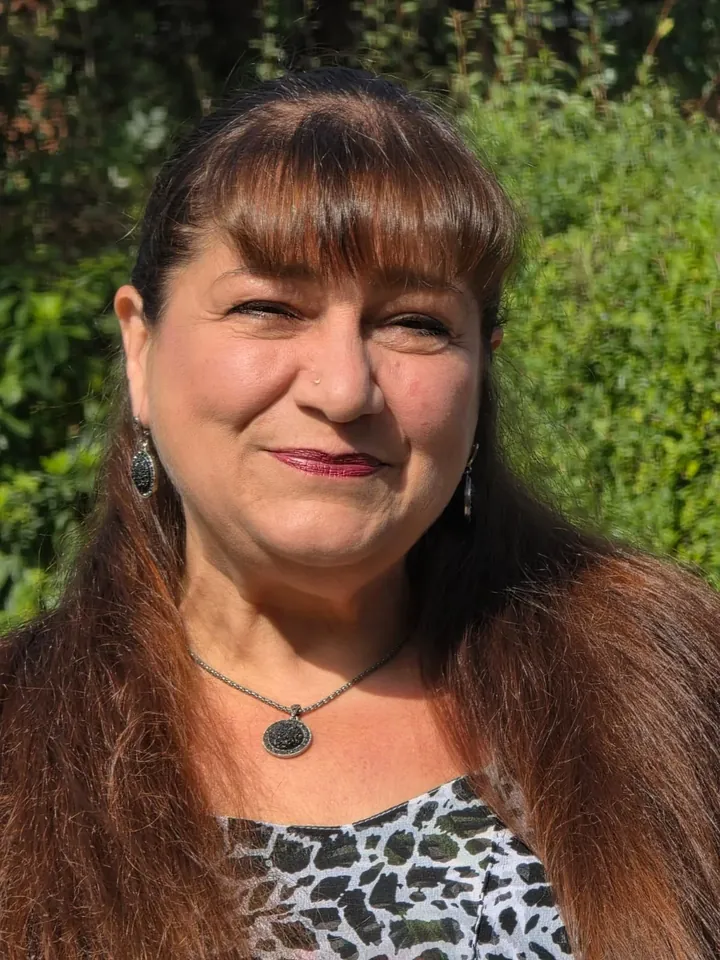
Director and Core Trainer
Change how the site looks and behaves for you. Your choices are remembered on this device.
Text size
Dyslexia-friendly text
One clear font, with wider spacing
Shorter lines
Narrower paragraphs that are easier to follow
Explain key terms
Tap underlined terms like CTA or APL for a short definition
High contrast
Stronger colours, solid lines and clearer links
Calm colours
Softer, muted tones for visual comfort
Pause animations
Stop all moving and fading effects
Reading ruler
A band that follows your pointer to help keep your place
Read this page aloud
Uses your device's own voice